Motoring Tips
How to reduce fuel consumption: practical tips
Fuel economy is not just about money, but also about habits and decisions that together yield a noticeable result.
Fuel consumption depends on more than just the engine size or vehicle type. It is influenced by driving style, the technical condition of the car, fuel quality, load, tyre pressure, transmission operation, and even how often the driver uses the air conditioning. Therefore, saving fuel does not come down to a single piece of advice. It is a combination of habits and decisions that together can yield a noticeable result.
The simplest way to use less fuel is to drive less. But in real life, this is not always possible. A car is needed for work, family matters, and trips in and out of the city. That is why it is important to understand what exactly can be changed without giving up the car.
Calm driving saves more than it seems
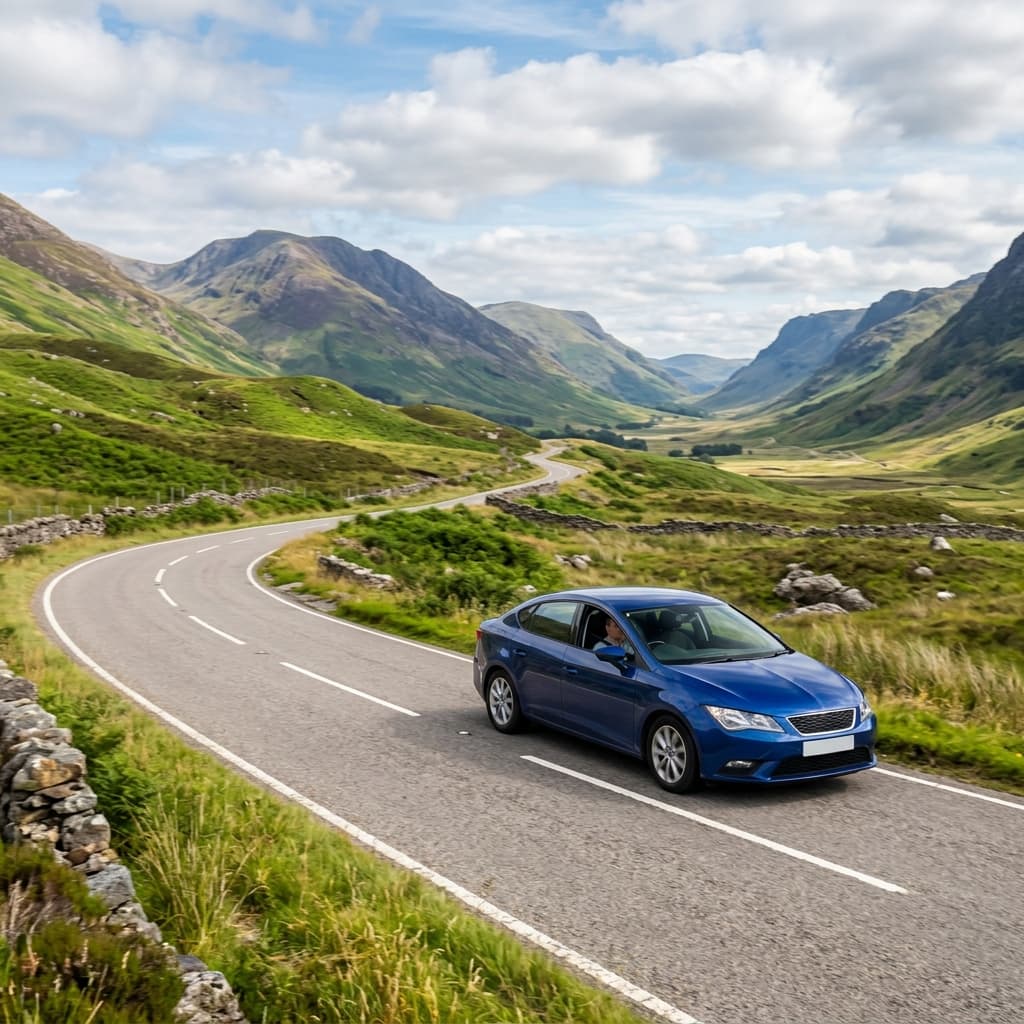
One of the main factors in fuel consumption is driving style. Sharp acceleration, frequent braking, high revs, and constant overtaking increase fuel consumption even in a well-maintained vehicle. Under such conditions, the engine operates under greater load, and the energy it just spent on accelerating is often immediately lost during braking.
The most economical approach is smooth acceleration, anticipating the road situation, and maintaining momentum. If there is a red light ahead, there is no point in continuing to accelerate until the last moment. It is better to release the accelerator early and let the car coast smoothly. The same applies to traffic jams, corners, and driving in heavy traffic.
For a manual gearbox, it is important not to keep the engine at high revs unnecessarily. Often, the most economical mode is achieved in a higher gear at a moderate speed and steady pace. However, engine revs that are too low are not always beneficial either, especially if the engine begins to vibrate or 'bog down' under load. You need to gauge it based on the specific car and its characteristics.
In cars with an automatic gearbox, the electronics are often already tuned for an economical mode. Many modern automatic transmissions adapt to the driver's style. If you drive aggressively for a long time, the gearbox may hold gears longer and shift at higher revs. If you switch to a calmer style, over time, the gear shifts may become earlier and more economical.
Excess load also costs money
Every extra kilogram in the boot requires energy to accelerate. Of course, a few small items in the cabin won't make a big difference, but heavy tools, jerry cans, building materials, or unnecessary items lying in the boot for months gradually turn into extra costs.
It is also worth paying attention to roof racks, roof boxes, and other external accessories. They worsen aerodynamics, especially on the motorway. If a roof rack is not in use, it is better to remove it. At high speeds, air resistance significantly affects fuel consumption.
Air conditioning, heated seats, and electrical consumers
Comfort in the cabin also comes at a price. Air conditioning or climate control places an additional load on the engine. This does not mean you should completely avoid cooling in hot weather, but it should be used wisely. For example, after parking in the sun, you can air out the cabin first before turning on the air conditioning.
Heated seats, windscreens, mirrors, a powerful audio system, and other consumers also require energy. The alternator generates this energy through the operation of the engine, meaning fuel is still consumed. The impact is not always massive, but combined, such small things can be noticeable, especially in urban driving.
Another common habit is a long warm-up at idle. For most modern cars, a short warm-up is sufficient, after which it is better to start driving calmly, without high revs or sudden acceleration. The engine and transmission reach operating temperature faster under a light load.
Technical condition of the vehicle
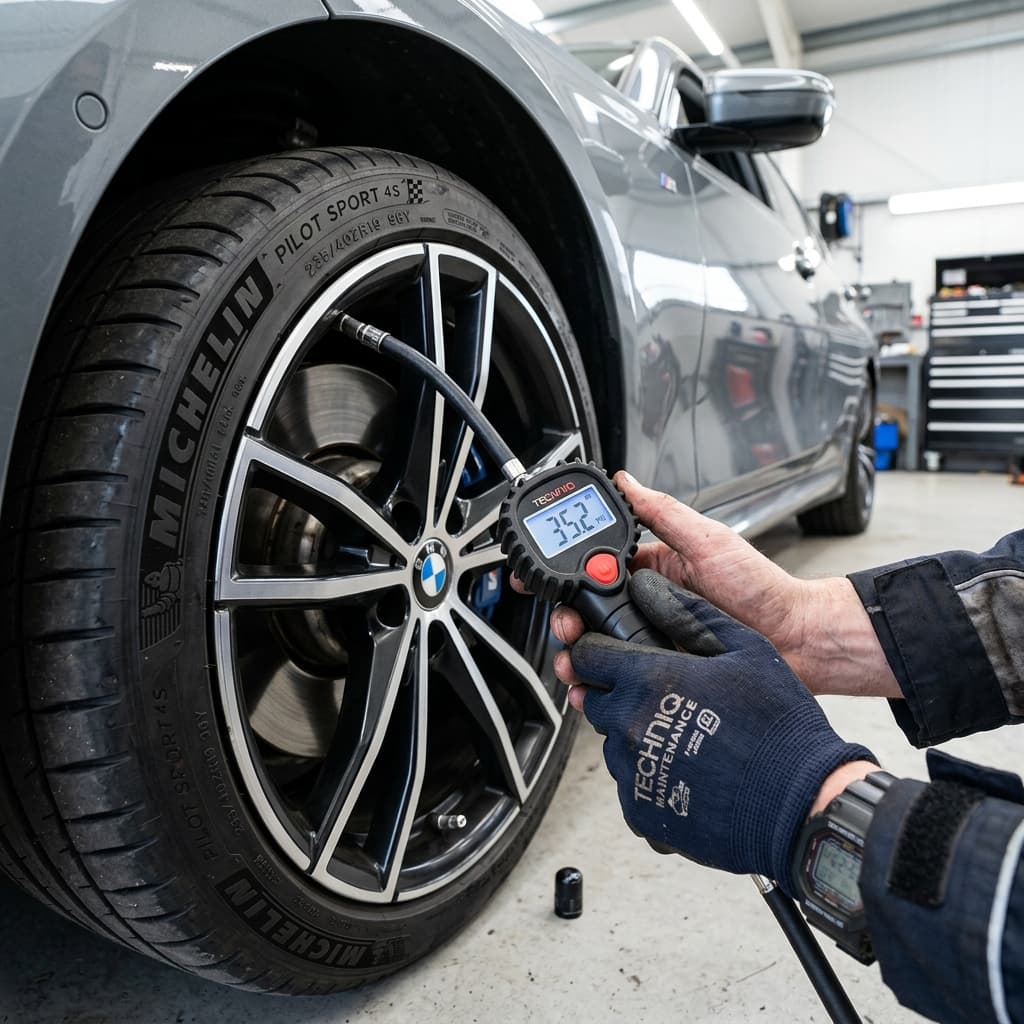
Even the calmest driving style will not help if the car has technical issues. A dirty air filter restricts air flow to the engine. As a result, the fuel mixture can deteriorate, and fuel consumption can increase. Old spark plugs, faulty ignition coils, incorrect sensor readings, worn fuel injectors, or problems with the fuel system also affect economy.
Tyre pressure is also important. Under-inflated tyres have greater rolling resistance, making it harder for the engine to move the car. In addition, incorrect pressure accelerates tyre wear and impairs handling. Checking the pressure takes a few minutes, but it is one of the simplest actions to reduce fuel consumption.
High-quality engine oil with the correct viscosity and specifications is equally important. If the oil does not meet the engine's requirements or has long outlived its lifespan, internal friction increases, which can also affect fuel consumption.
Why dirty injectors increase consumption
The fuel system must deliver fuel precisely, evenly, and in the right quantity. If the injectors become dirty, the spray pattern deteriorates. The fuel mixes poorly with air, a portion of it burns less efficiently than required, and the engine may lose power. The driver presses the accelerator harder to achieve the usual dynamics, and consumption increases.
The cause of contamination is often related to fuel quality and operating conditions. Fuel can contain components that, under the influence of temperature and pressure, form varnish and resin deposits. They accumulate around the injectors, on the valves, in the combustion chamber, and other system components. That is why cleaning the fuel system can be a useful part of preventative maintenance.
How to achieve real savings
Saving fuel starts with the driver's habits, but it does not end there. Smooth driving, avoiding unnecessary acceleration, correct tyre pressure, good technical condition of the car, and maintaining the fuel system can significantly affect consumption.
The best results come from combining several actions. A calmer driving style, proper tyre pressure, functional spark plugs, a clean air filter, high-quality engine oil, and a clean fuel system all work together.
Find the best fuel prices
Saving starts not only behind the wheel but also at the petrol station. Check the latest fuel prices in your area and choose the most cost-effective forecourt with Kermo.
Compare fuel prices